Stephanie Ferguson Melhorn
Executive Director, Workforce & International Labor Policy, U.S. Chamber of Commerce
Updated
May 06, 2026
Published
November 21, 2023
We hear every day from our member companies—of every size and industry, across nearly every state—that they’re facing challenges trying to find workers with the right skills to fill open jobs.
The U.S. Chamber is capturing the trends on job openings, labor force participation, quit rates, and more for a quick understanding of the state of the workforce in our America Works Data Center. Read on for an analysis of the state of the workforce on the national level.
Why are we in a worker shortage?
Over the last two decades, job openings have largely increased, while the number of unemployed workers has decreased, ultimately leading to a labor shortage once the number of jobs openings in the country surpassed the number of available workers. There are various reasons for this as explained in the next section.

Over the last five years workforce numbers have fluctuated. In 2020, the number of unemployed workers spiked to 23 million following pandemic shutdowns, then fell to just 6 million in April 2022 as the economy rebounded and people returned to the workforce.
While the national labor shortage has evened out, this is not necessarily reflected on the state level. For example, some states like South Dakota have as little as 41 available workers for every 100 open jobs and are in a severe worker shortage, while others like California have a worker surplus with 153 workers for every 100 job openings. Nationwide, there are only 10 states in a worker surplus.
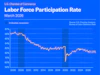
However, being in a worker surplus does not mean that all available positions will be filled in those states. Another trend to watch is national labor force participation, which has dropped by 5% compared to 2001. Fewer and fewer Americans have been participating in the labor force for decades, resulting in a smaller workforce that is expected to continue shrinking for years to come.

The current labor force participation rate has hovered around 62.5 - 63%, down from 63.3% in February 2020 and 67.2% in January 2001. There's not just one reason for the decline, but several factors have come together to cause the ongoing shortage.
Factors Contributing to the Labor Shortage
Early retirements and an aging workforce
In 2023, the number of Americans retiring hit record highs. The number of adults over 55 that are detached from the labor force due to retirement grew from 48.1% in Q3 of 2019 to 50.3% in Q3 of 2021. These retirements are contributing to the shortage because those retiring are not being readily replaced by the next generation.

According to the U.S. Census Bureau, the population age 65 and older grew nearly five times faster than the total population did between 1920 and 2020, representing 16.8% of the U.S. population.
The shift toward an older population is partly attributable to the fact that younger generations are having fewer children compared to their predecessors. This trend has historically been counterbalanced by high levels of immigration, ensuring that the U.S. population remains balanced. However, a decrease in immigration in recent years has led to a loss of a large portion of the working age population.
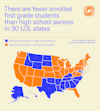
Further evidence of the declining populations numbers is a comparison of the number of first grade students versus high school seniors. There are fewer first grade students than high school seniors in 30 states, meaning that in 10 years, when those first graders begin entering the workforce, we will see a drop in available workers.
Lack of access to childcare
The childcare crisis has become increasingly prevalent. A lack of affordable and accessible childcare for American workers precents many parents from entering or returning to the workforce, not only impacting those workers, but also employers.
In 2020, 58% of working parents reported leaving work because they could not find adequate childcare solutions. According to a U.S. Chamber of Commerce Foundation study, state economies lose between $165 million and $9 billion due to childcare challenges.

While the average labor force participation rate is 62.6%, women’s labor force participation rate is 57.6%. In 2021, 79% of women who left the workforce cited home and family care as their reason for departing.
The rise in flexible careers
In the spirit of entrepreneurship, many employees in recent years have either left work or stayed unemployed to open their own businesses. In 2023, a record 5.5 million new business applications were filed, showing a remarkable surge of interest in entrepreneurship and worker flexibility. This number has remained elevated (above 5 million application per year) every year since 2021.
New Business Applications by State
Click on a state for more details.
Alabama
-
0.5%
The percentage change of new business applications filed in December 2023 compared to December 2022
-
71,835
New business applications in 2023
-
#26
Ranking of 2023 business applications per capita
-
4,222
2023 projected business formations within 4 quarters
-
5.9%
Percent of applications projected to become an employer business
Alaska
-
-1.8%
The percentage change of new business applications filed in December 2023 compared to December 2022
-
8,929
New business applications in 2023
-
#33
Ranking of 2023 business applications per capita
-
795
2023 projected business formations within 4 quarters
-
8.9%
Percent of applications projected to become an employer business
Arizona
-
5.3%
The percentage change of new business applications filed in December 2023 compared to December 2022
-
125,822
New business applications in 2023
-
#15
Ranking of 2023 business applications per capita
-
7,895
2023 projected business formations within 4 quarters
-
6.3%
Percent of applications projected to become an employer business
Arkansas
-
1.8%
The percentage change of new business applications filed in December 2023 compared to December 2022
-
39,048
New business applications in 2023
-
#34
Ranking of 2023 business applications per capita
-
2,764
2023 projected business formations within 4 quarters
-
7.1%
Percent of applications projected to become an employer business
California
-
7.8%
The percentage change of new business applications filed in December 2023 compared to December 2022
-
558,011
New business applications in 2023
-
#25
Ranking of 2023 business applications per capita
-
51,568
2023 projected business formations within 4 quarters
-
9.2%
Percent of applications projected to become an employer business
Colorado
-
115.0%
The percentage change of new business applications filed in December 2023 compared to December 2022
-
142,927
New business applications in 2023
-
#5
Ranking of 2023 business applications per capita
-
7,930
2023 projected business formations within 4 quarters
-
5.5%
Percent of applications projected to become an employer business
Connecticut
-
10.2%
The percentage change of new business applications filed in December 2023 compared to December 2022
-
48,373
New business applications in 2023
-
#31
Ranking of 2023 business applications per capita
-
3,003
2023 projected business formations within 4 quarters
-
6.2%
Percent of applications projected to become an employer business
Delaware
-
19.3%
The percentage change of new business applications filed in December 2023 compared to December 2022
-
55,389
New business applications in 2023
-
#2
Ranking of 2023 business applications per capita
-
2,294
2023 projected business formations within 4 quarters
-
4.1%
Percent of applications projected to become an employer business
District of Columbia
-
-5.6%
The percentage change of new business applications filed in December 2023 compared to December 2022
-
14,831
New business applications in 2023
-
#7
Ranking of 2023 business applications per capita
-
589
2023 projected business formations within 4 quarters
-
4.0%
Percent of applications projected to become an employer business
Florida
-
-3.0%
The percentage change of new business applications filed in December 2023 compared to December 2022
-
667,031
New business applications in 2023
-
#3
Ranking of 2023 business applications per capita
-
32,523
2023 projected business formations within 4 quarters
-
4.9%
Percent of applications projected to become an employer business
Georgia
-
-9.9%
The percentage change of new business applications filed in December 2023 compared to December 2022
-
277,626
New business applications in 2023
-
#4
Ranking of 2023 business applications per capita
-
12,456
2023 projected business formations within 4 quarters
-
4.5%
Percent of applications projected to become an employer business
Hawaii
-
6.1%
The percentage change of new business applications filed in December 2023 compared to December 2022
-
19,159
New business applications in 2023
-
#29
Ranking of 2023 business applications per capita
-
895
2023 projected business formations within 4 quarters
-
4.7%
Percent of applications projected to become an employer business
Idaho
-
10.1%
The percentage change of new business applications filed in December 2023 compared to December 2022
-
31,338
New business applications in 2023
-
#17
Ranking of 2023 business applications per capita
-
2,978
2023 projected business formations within 4 quarters
-
9.5%
Percent of applications projected to become an employer business
Illinois
-
12.0%
The percentage change of new business applications filed in December 2023 compared to December 2022
-
174,667
New business applications in 2023
-
#27
Ranking of 2023 business applications per capita
-
10,880
2023 projected business formations within 4 quarters
-
6.2%
Percent of applications projected to become an employer business
Indiana
-
13.0%
The percentage change of new business applications filed in December 2023 compared to December 2022
-
94,057
New business applications in 2023
-
#28
Ranking of 2023 business applications per capita
-
5,905
2023 projected business formations within 4 quarters
-
6.3%
Percent of applications projected to become an employer business
Iowa
-
33.7%
The percentage change of new business applications filed in December 2023 compared to December 2022
-
33,444
New business applications in 2023
-
#48
Ranking of 2023 business applications per capita
-
2,717
2023 projected business formations within 4 quarters
-
8.1%
Percent of applications projected to become an employer business
Kansas
-
8.7%
The percentage change of new business applications filed in December 2023 compared to December 2022
-
33,268
New business applications in 2023
-
#42
Ranking of 2023 business applications per capita
-
2,659
2023 projected business formations within 4 quarters
-
8.0%
Percent of applications projected to become an employer business
Kentucky
-
20.0%
The percentage change of new business applications filed in December 2023 compared to December 2022
-
55,265
New business applications in 2023
-
#37
Ranking of 2023 business applications per capita
-
3,626
2023 projected business formations within 4 quarters
-
6.6%
Percent of applications projected to become an employer business
Louisiana
-
-8.6%
The percentage change of new business applications filed in December 2023 compared to December 2022
-
80,457
New business applications in 2023
-
#11
Ranking of 2023 business applications per capita
-
3,149
2023 projected business formations within 4 quarters
-
3.9%
Percent of applications projected to become an employer business
Maine
-
26.8%
The percentage change of new business applications filed in December 2023 compared to December 2022
-
14,086
New business applications in 2023
-
#50
Ranking of 2023 business applications per capita
-
1,601
2023 projected business formations within 4 quarters
-
11.4%
Percent of applications projected to become an employer business
Maryland
-
0.5%
The percentage change of new business applications filed in December 2023 compared to December 2022
-
101,704
New business applications in 2023
-
#16
Ranking of 2023 business applications per capita
-
4,623
2023 projected business formations within 4 quarters
-
4.5%
Percent of applications projected to become an employer business
Massachusetts
-
7.0%
The percentage change of new business applications filed in December 2023 compared to December 2022
-
76,375
New business applications in 2023
-
#47
Ranking of 2023 business applications per capita
-
7,078
2023 projected business formations within 4 quarters
-
9.3%
Percent of applications projected to become an employer business
Michigan
-
-2.6%
The percentage change of new business applications filed in December 2023 compared to December 2022
-
148,508
New business applications in 2023
-
#24
Ranking of 2023 business applications per capita
-
7,445
2023 projected business formations within 4 quarters
-
5.0%
Percent of applications projected to become an employer business
Minnesota
-
26.3%
The percentage change of new business applications filed in December 2023 compared to December 2022
-
69,210
New business applications in 2023
-
#39
Ranking of 2023 business applications per capita
-
4,898
2023 projected business formations within 4 quarters
-
7.1%
Percent of applications projected to become an employer business
Mississippi
-
-6.4%
The percentage change of new business applications filed in December 2023 compared to December 2022
-
53,237
New business applications in 2023
-
#10
Ranking of 2023 business applications per capita
-
2,287
2023 projected business formations within 4 quarters
-
4.3%
Percent of applications projected to become an employer business
Missouri
-
11.7%
The percentage change of new business applications filed in December 2023 compared to December 2022
-
90,384
New business applications in 2023
-
#23
Ranking of 2023 business applications per capita
-
6,055
2023 projected business formations within 4 quarters
-
6.7%
Percent of applications projected to become an employer business
Montana
-
29.5%
The percentage change of new business applications filed in December 2023 compared to December 2022
-
23,789
New business applications in 2023
-
#8
Ranking of 2023 business applications per capita
-
1,855
2023 projected business formations within 4 quarters
-
7.8%
Percent of applications projected to become an employer business
Nebraska
-
11.5%
The percentage change of new business applications filed in December 2023 compared to December 2022
-
21,574
New business applications in 2023
-
#43
Ranking of 2023 business applications per capita
-
2,124
2023 projected business formations within 4 quarters
-
9.8%
Percent of applications projected to become an employer business
Nevada
-
0.6%
The percentage change of new business applications filed in December 2023 compared to December 2022
-
65,986
New business applications in 2023
-
#9
Ranking of 2023 business applications per capita
-
4,520
2023 projected business formations within 4 quarters
-
6.8%
Percent of applications projected to become an employer business
New Hampshire
-
10.1%
The percentage change of new business applications filed in December 2023 compared to December 2022
-
16,179
New business applications in 2023
-
#44
Ranking of 2023 business applications per capita
-
1,419
2023 projected business formations within 4 quarters
-
8.8%
Percent of applications projected to become an employer business
New Jersey
-
-1.0%
The percentage change of new business applications filed in December 2023 compared to December 2022
-
160,996
New business applications in 2023
-
#12
Ranking of 2023 business applications per capita
-
9,188
2023 projected business formations within 4 quarters
-
5.7%
Percent of applications projected to become an employer business
New Mexico
-
20.4%
The percentage change of new business applications filed in December 2023 compared to December 2022
-
33,865
New business applications in 2023
-
#18
Ranking of 2023 business applications per capita
-
1,760
2023 projected business formations within 4 quarters
-
5.2%
Percent of applications projected to become an employer business
New York
-
8.1%
The percentage change of new business applications filed in December 2023 compared to December 2022
-
313,481
New business applications in 2023
-
#20
Ranking of 2023 business applications per capita
-
22,638
2023 projected business formations within 4 quarters
-
7.2%
Percent of applications projected to become an employer business
North Carolina
-
6.5%
The percentage change of new business applications filed in December 2023 compared to December 2022
-
170,924
New business applications in 2023
-
#19
Ranking of 2023 business applications per capita
-
11,976
2023 projected business formations within 4 quarters
-
7.0%
Percent of applications projected to become an employer business
North Dakota
-
37.7%
The percentage change of new business applications filed in December 2023 compared to December 2022
-
8,960
New business applications in 2023
-
#40
Ranking of 2023 business applications per capita
-
901
2023 projected business formations within 4 quarters
-
10.1%
Percent of applications projected to become an employer business
Ohio
-
1.9%
The percentage change of new business applications filed in December 2023 compared to December 2022
-
148,623
New business applications in 2023
-
#36
Ranking of 2023 business applications per capita
-
7,816
2023 projected business formations within 4 quarters
-
5.3%
Percent of applications projected to become an employer business
Oklahoma
-
10.9%
The percentage change of new business applications filed in December 2023 compared to December 2022
-
58,195
New business applications in 2023
-
#22
Ranking of 2023 business applications per capita
-
3,771
2023 projected business formations within 4 quarters
-
6.5%
Percent of applications projected to become an employer business
Oregon
-
12.8%
The percentage change of new business applications filed in December 2023 compared to December 2022
-
56,662
New business applications in 2023
-
#32
Ranking of 2023 business applications per capita
-
4,778
2023 projected business formations within 4 quarters
-
8.4%
Percent of applications projected to become an employer business
Pennsylvania
-
13.8%
The percentage change of new business applications filed in December 2023 compared to December 2022
-
153,599
New business applications in 2023
-
#41
Ranking of 2023 business applications per capita
-
9,817
2023 projected business formations within 4 quarters
-
6.4%
Percent of applications projected to become an employer business
Rhode Island
-
3.4%
The percentage change of new business applications filed in December 2023 compared to December 2022
-
11,639
New business applications in 2023
-
#49
Ranking of 2023 business applications per capita
-
1,155
2023 projected business formations within 4 quarters
-
9.9%
Percent of applications projected to become an employer business
South Carolina
-
-2.2%
The percentage change of new business applications filed in December 2023 compared to December 2022
-
92,138
New business applications in 2023
-
#13
Ranking of 2023 business applications per capita
-
5,384
2023 projected business formations within 4 quarters
-
5.8%
Percent of applications projected to become an employer business
South Dakota
-
20.6%
The percentage change of new business applications filed in December 2023 compared to December 2022
-
11,311
New business applications in 2023
-
#35
Ranking of 2023 business applications per capita
-
1,114
2023 projected business formations within 4 quarters
-
9.8%
Percent of applications projected to become an employer business
Tennessee
-
8.2%
The percentage change of new business applications filed in December 2023 compared to December 2022
-
96,903
New business applications in 2023
-
#30
Ranking of 2023 business applications per capita
-
6,446
2023 projected business formations within 4 quarters
-
6.7%
Percent of applications projected to become an employer business
Texas
-
4.4%
The percentage change of new business applications filed in December 2023 compared to December 2022
-
501,398
New business applications in 2023
-
#14
Ranking of 2023 business applications per capita
-
35,113
2023 projected business formations within 4 quarters
-
7.0%
Percent of applications projected to become an employer business
Utah
-
21.5%
The percentage change of new business applications filed in December 2023 compared to December 2022
-
71,877
New business applications in 2023
-
#6
Ranking of 2023 business applications per capita
-
5,608
2023 projected business formations within 4 quarters
-
7.8%
Percent of applications projected to become an employer business
Vermont
-
0.2%
The percentage change of new business applications filed in December 2023 compared to December 2022
-
7,516
New business applications in 2023
-
#45
Ranking of 2023 business applications per capita
-
645
2023 projected business formations within 4 quarters
-
8.6%
Percent of applications projected to become an employer business
Virginia
-
2.7%
The percentage change of new business applications filed in December 2023 compared to December 2022
-
132,075
New business applications in 2023
-
#21
Ranking of 2023 business applications per capita
-
7,781
2023 projected business formations within 4 quarters
-
5.9%
Percent of applications projected to become an employer business
Washington
-
6.8%
The percentage change of new business applications filed in December 2023 compared to December 2022
-
97,603
New business applications in 2023
-
#38
Ranking of 2023 business applications per capita
-
9,181
2023 projected business formations within 4 quarters
-
9.4%
Percent of applications projected to become an employer business
West Virginia
-
5.5%
The percentage change of new business applications filed in December 2023 compared to December 2022
-
15,297
New business applications in 2023
-
#51
Ranking of 2023 business applications per capita
-
1,025
2023 projected business formations within 4 quarters
-
6.7%
Percent of applications projected to become an employer business
Wisconsin
-
-1.7%
The percentage change of new business applications filed in December 2023 compared to December 2022
-
65,409
New business applications in 2023
-
#46
Ranking of 2023 business applications per capita
-
4,318
2023 projected business formations within 4 quarters
-
6.6%
Percent of applications projected to become an employer business
Wyoming
-
29.5%
The percentage change of new business applications filed in December 2023 compared to December 2022
-
58,807
New business applications in 2023
-
#1
Ranking of 2023 business applications per capita
-
2,330
2023 projected business formations within 4 quarters
-
4.0%
Percent of applications projected to become an employer business
Data shows that working from home or hybrid working is here to stay. In 2024, 35.5 million people teleworked, an over the year increase of 3.4%, according to the Bureau of Labor Statistics. While telework remains popular, hybrid schedules are also increasing, with 52% of those who telework working some hours from home.
Workers of all ages, but primarily younger generations, have also tapped into a new source of income in large numbers—digital commerce. In 2020, 2 million individuals made six figures or more on social media. The cultural shift spurred by the digital age is spreading into the labor market, introducing new challenges to attracting employees that employers must now navigate.

The reasons above help illuminate the current labor shortage landscape, but the examples are non-exhaustive. Understanding why workers are not filling jobs is only half of the equation. The next step in addressing the labor shortage is to implement solutions to attract and retain new workers is underway.
Learn about how the U.S. Chamber is driving solutions through the America Works Initiative. For more information on the America Works Initiative, contact Stephanie Ferguson at sferguson@uschamber.com.
About the author
Stephanie Ferguson Melhorn
Stephanie Ferguson Melhorn is the Executive Director, Workforce and International Labor Policy. Her work on the labor shortage has been cited in the Wall Street Journal, Washington Post, and Associated Press.