

Why it matters:
- Only about 3% of new products are flourishing two years after launch, and about 12% do not survive their first year, according to data from Kantar. Failure often stems from product introductions that don’t serve an established market demand or fill a consumer need.
- Startup David, by contrast, is building on the brand’s reputation for offering high-protein snack solutions with new products such as cod filets, David’s Founder told CO—.
- Meanwhile, MOSH’s new vegan bars tap a growing consumer demand for plant-based protein that doesn’t sacrifice taste or texture.
New product launches can be effective vehicles for driving sales at startup brands if they meet customer demands and can be executed in a cost-effective manner.
Brands including MOSH and David have expanded their offerings with products that are adjacent to their core businesses and provide opportunities to grow their brands’ presence on retail shelves. PopUp Bagels, meanwhile, has taken a cautious approach to product expansion to avoid complicating its highly efficient business model.
Data from Kantar shows that only about 3% of new products are flourishing two years after launch, and only a little more than a third (36%) are growing at all. About 12% have not survived their first year.
Research from MIT, meanwhile, estimates that of the 30,000 new products introduced each year, 95% of them fail.
“Many innovations fail because they introduce products or other solutions without a real need for them,” said Svafa Grönfeldt, faculty member for MIT Professional Education’s online program. “There’s no market for the solutions they’ve created.”

David expands into frozen cod filets to capitalize on its success in protein-rich snacks
Perhaps one of the more unique product launches in recent packaged goods history was the frozen cod filets introduced by David, the maker of nutrition bars known for their high protein content.
The company had been searching for another high-protein food to expand its brand, said Peter Rahal, Co-founder and CEO of David, in an interview with CO—. In frozen cod filets, David found a food that reflected the brand’s high-protein positioning.
Like the David bars, the cod filets feature high protein content—23 grams of protein per filet—and are low in fat and calories. Unlike the company’s expansion into different flavors of bars, however, the sourcing and logistics for the cod filets have required a different approach.
“While the cod is less convenient and comes in only one flavor, we wanted to make sure we offered our consumers the highest protein-to-calorie-ratio food possible,” Rahal said.
The company worked with Kyle Lee, a Fisherman with Alaskan Salmon Co., to source the wild-caught cod, which are flash-frozen on-site and offered in packs of four raw, six-ounce filets. The filets are sold in select retail stores and via the company’s website, where a 24-ounce box is priced at $69.
“The logistics came down to preparing and sourcing the proper packaging and configuring shipping options to ensure that we deliver the cod fully frozen and at peak quality to people’s homes,” said Rahal.
While the David protein bars have enjoyed a growing retail presence in the checkout lanes and the nutrition bar sections of retail stores, the frozen cod filets expand the company’s presence into retail freezer cases, providing more exposure for the brand and giving the company an entry point for potential further expansion.
[Read more: How CPG Disruptors Are Leaning Into the Protein-Fortified Food Trend to Unlock Growth]
Many innovations fail because they introduce products or other solutions without a real need for them.Svafa Grönfeldt, Professor of the Practice at the Massachusetts Institute of Technology
MOSH adds line of plant-based protein, with consumer demand poised to double in a decade
Another nutrition bar company, MOSH, which was founded by Journalist and former First Lady of California Maria Shriver and her son, Actor Patrick Schwarzenegger, has recently expanded its line to include vegan products.
The vegan bars are made with plant-based protein rather than protein from whey, which is a dairy-based ingredient that can be collected as a byproduct of the cheese-making process. In order to join the product line-up, however, the new items had to not only provide the nutritional benefits of its other products, but they also needed to meet the brand’s high standards for taste and texture, said Jeff Gamsey, MOSH’s President and Chief Operating Officer, in an interview with CO—.
“We think that we win in taste, we win in texture, we win at function, and we have a very compelling mission that appeals to a ton of customers,” he said. “We’re building a brand and a platform that appeals across generations.”
The company’s decision to expand into vegan protein bars reflects growing consumer demand for plant-based protein. A recent report from TowardFnB predicts that global sales of plant-based protein will more than double in the next 10 years, from $18.7 billion in 2024 to $43.07 billion in 2034, reflecting a compound annual growth rate of 8.7%.
Factors such as food allergies, lactose intolerance, and consumer interest in healthy eating are driving growth of the market, the report concludes. “Consumers are widely looking for alternative sources of meat and meat products.”
In addition to expanding its appeal to consumers seeking plant-based alternatives, MOSH also seeks to meet consumer demands for other nutritional benefits as well. Its bars are not only high in protein, but they also contain ingredients that are targeted toward brain health, known as nootropics, which has helped expand the brands’ appeal among a broad mix of consumers, including women.
[Read more: Celebrity-Owned Startup MOSH Carves Unique Niche in the ‘Functional’ Foods Market]
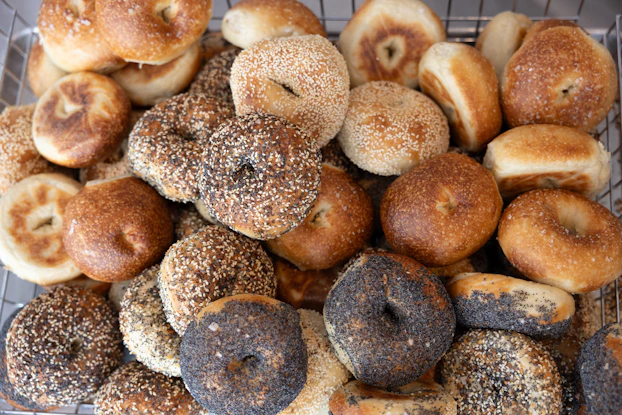
Fast-growing chain PopUp Bagels’ pared-down menu is critical to success
It might sound logical for a bagel shop to offer coffee as a core menu category right out of the gate, but the decision wasn’t that straightforward for PopUp Bagels.
Unlike other bagel chains such as Bruegger’s and Einstein Bros., PopUp Bagels does not offer anything remotely resembling a café-style environment and instead focuses on efficiency. As a result, the fast-growing chain only recently began testing the addition of a drip coffee offering.
The company’s streamlined, pared-down menu—which includes just a handful of bagel varieties and a rotating assortment of flavored spreads—has been key to its success, said CEO Tory Bartlett in an interview with CO—.
The simple business model allows PopUp to operate in locations measuring just 1,100 to 1,800 square feet. Customers must order bagels in multiples of three—three, six, or a dozen—and workers don’t slice them or toast them. The chewy, freshly baked bagels are designed so customers can “grip, rip, and dip” them in cream cheese or butter schmears.
While Bartlett said plans call for keeping the model as simple as possible, he’s open to looking at potential variations in the menu and service models to meet demands of individual markets.
“We are highly focused on being the premier franchisor out there, and you don't do that by just having a quality brand,” he said. “You do that by being in the trenches with your franchise partners and understanding what changes you need to make, where we can be flexible, and where we can’t.”
CO— aims to bring you inspiration from leading respected experts. However, before making any business decision, you should consult a professional who can advise you based on your individual situation.
CO—is committed to helping you start, run and grow your small business. Learn more about the benefits of small business membership in the U.S. Chamber of Commerce, here.
Enroll today!
Sign up for Small Business B(AI)sics, our free AI training course, designed for small businesses like yours. Learn the basics of AI in just 30 minutes, plus get resources to help you apply AI skills at your business today.


