

Why it matters:
- Updating its packaging, marketing, and product lineup, food brand Manischewitz is appealing to ‘culturally curious’ consumers while preserving its role in Jewish holiday traditions.
- Digital tools, community engagement, and wellness-focused products are helping direct selling pioneer Amway attract younger shoppers while sustaining its network of independent distributors.
- Denim brand True Religion is blending heritage with modern fashion and celebrity partnerships to connect with Gen Z and millennials and drive e-commerce growth.
Legacy brands face a delicate balancing act of honoring their rich history and loyal customers’ expectations while evolving to stay current and competitive amid new technologies, consumer habits, and cultural shifts that demand constant reinvention.
Across industries, legacy brands courting a generation raised on TikTok and same-day delivery confront similar difficult questions: How do you stay authentic while appealing to younger, more digitally savvy consumers? And how do you modernize your operations without alienating longtime customers?
Increasingly, younger customers—millennial and Gen Z—crave authenticity and transparency; personalized experiences; physical, interactive experiences; digital convenience, and to be part of a community. They gravitate toward novel new products—a recent SAP survey showed almost half of U.S. Gen Zers (43%) and 41% of millennials abandoned a brand they were loyal to after growing “bored” of them.
To tackle these shifting preferences head-on, iconic Jewish food brand Manischewitz, direct selling company Amway, and denim giant True Religion are finding new ways to translate their heritage for today’s consumers—from sweeping brand refreshes to viral cultural moments on social media—and they’re reigniting growth in the process.

Manischewitz: Updated packaging, marketing, and products—like frozen matzo balls and chocolate babka—target younger consumers while honoring Jewish food traditions
In 2021, 133 years after its founding, Manischewitz undertook a major rebrand, updating its marketing, packaging, and product lineup beyond the kosher food aisle to attract “culturally curious” younger customers, many of whom aren’t Jewish.
At the same time, the company wanted to preserve its role as a beloved fixture for generations of Jewish families—a nostalgic presence at holidays and milestones alike, from the iconic orange box of matzos to the blackberry and concord grape wines poured on Passover and Shabbat. The overarching goal was to infuse longevity into the brand, said Shani Seidman, Chief Marketing Officer of parent company Kayco.
“Before the rebrand there was brand awareness, but there was a staleness to the [business],” said Seidman, who led the rebrand effort. “We wanted to make sure there was a longevity to the brand and to bring in new consumers. Manischewitz needed a step into the modern world.”
The brand, which sells in over 2,000 stores nationally, designed whimsical packaging that tells stories about American Jewish culture, heritage, and community, yet preserves the brand’s iconic orange packaging, a color customers have come to know. Updates include a contemporary typeface, lively and distinctive artwork, and copy sprinkled with Yiddish expressions such as “Delicious Food Has Always Been Our Schtick” and “Cooking My Tuchus Off.” On its new chicken soup label, a grandmother sips coffee and reads the newspaper under the playful tagline, “Bubby Knows Best. But We’re a Close Second.”
The redesign process entailed talking to consumers, chefs, grocery store owners, and longtime employees to learn what the brand meant to stakeholders from both a culinary and cultural perspective. At the same time, Manischewitz rolled out a bold array of new products, reaching beyond the traditional kosher products aisle—more than a dozen new offerings launched in time for Passover last year.
The $83.5 billion U.S. frozen food market offered a key entry point, driven by strong demand for easy-to-prepare meals among busy households with two working adults. Seidman hopes Manischewitz’s ready-to-eat frozen gluten-free matzo balls or chocolate babka will attract loyal customers who stock up on the food items in addition to the frozen empanadas or spring rolls in their shopping basket.
In a sign of success, retailers made space in freezers for Manischewitz’s expanded product mix, marking “a new place for people to discover the brand,” said Seidman. “We were pleasantly surprised to see stores dedicate freezer space [to] us. They’re seeing that the brand has longevity. There’s more to come, we’re not stopping. For us, it’s a long game.”
[Read more: How Manischewitz’s Rebrand Targets ‘Culturally Curious’ Younger Customers]
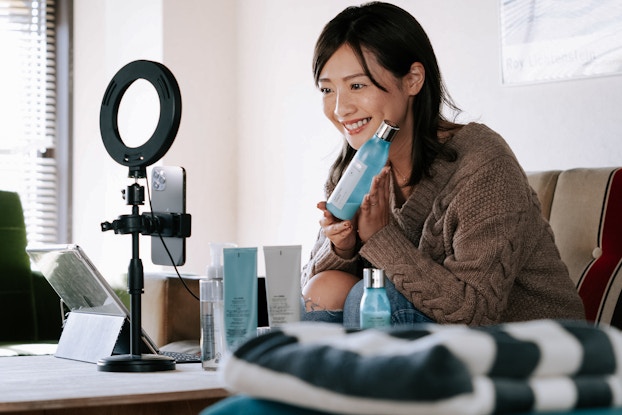
Amway: Tapping digital tools, community engagement, and wellness-focused products to attract younger consumers while maintaining network of independent distributors
As the world’s largest direct selling company of health, wellness, beauty, and home products, Amway is sticking to its roots by continuing to operate with its original network marketing philosophy, empowering independent distributors—a core part of its identity that harkens back to the 1950s.
But at the same time, the heritage brand has worked to modernize its marketing, digital engagement, and community-building to appeal to younger consumers and stay relevant and profitable. A core growth strategy has been to tap into two growing trends: the wellness and gig economies. Amway’s health-focused products are sold by a workforce of independent contractors, while the U.S. wellness industry is valued at $2 trillion and is the fastest-growing segment of the global wellness economy, according to the Global Wellness Institute.
“Today, a young person can earn money in so many different ways,” said former Amway CEO Milind Pant, who joined the company in 2019 after serving as President of Pizza Hut International and in executive roles at Unilever. “They can be a creator on TikTok, drive an Uber, start a small business, or come to a place like Amway.”
Amway’s model relies on Business Owners (ABOs) selling products directly to consumers for a share of the profits, while also recruiting others to sell. With over a million owners across 100-plus countries, it’s a classic multi-level marketing (MLM) strategy—one critics say can risk losses or resemble pyramid schemes. But as Pant told CO—, legitimate MLMs differ significantly from fraudulent operations.
“Multilevel is a compensation model where every dollar earned is based on the products they sell,” Pant said. Amway frames its opportunity to today’s prospective sellers as “entrepreneurship in a box,” and sellers as product ambassadors. Most Amway microentrepreneurs operate the business as a side gig, with access to company-provided training, a purchasing platform, and support from Amway’s 15,000-plus employees worldwide. The company also assists business owners in earning nutrition certifications.
Meanwhile, the company emphasizes the power of community connections to sell products and increase collective health and well-being. It’s a strategy that appeals to Gen Z consumers who often prefer brands and experiences that foster a sense of belonging. “Retail stores can provide these types of products, but they cannot provide a sense of community where people help each other with their health and well-being goals,” said Pant. “That is the biggest differentiator for us.”
In the past seven years, Amway has poured millions of dollars into its vision, investing $335 million in new manufacturing and R&D facilities across the Americas and adding one million square feet to plants in Michigan, California, and Washington, among other efforts. Pant noted that the United States continues to offer one of the largest growth opportunities, and to support this, Amway is putting resources into new technologies—including generative AI—and digital tools for its entrepreneurs.
“The opportunity is immense in America,” Pant said. “And we truly believe that we can play an important role in peoples’ health goals.”
[Read more: Amway CEO on Unlocking Customer Growth in The Crowded Health and Wellness Market]
Iconic Jewish food brand Manischewitz, direct selling company Amway, and denim giant True Religion are finding new ways to translate their heritage for today’s consumers ... and they’re reigniting growth in the process.
True Religion: Blending denim heritage with modern fashion and celebrity partnerships to connect with Gen Z and millennials
When Kim Gold and Jeff Lubell launched True Religion in 2002, their jeans shook up the denim market, redefining the classic five-pocket style with the brand’s signature stitching. By the mid-2000s, athleisure was booming, and following several leadership shifts, True Religion removed its famous logos from its apparel. It was a critical misstep.
By 2017, the company had declared bankruptcy. True Religion recovered, only to file again during the peak of the pandemic. Since then, former CEO Michael Buckley returned to steer the brand and help it tap into nostalgia and attract Gen Z and millennials by blending heritage with modern fashion trends and turning to influencers.
“He did a couple of things right out of the gate,” said Kristen D’Arcy, who’s held the newly created role of Chief Marketing Officer at True Religion since 2023. One major insight: households earning under $100,000 annually gravitated toward logo-driven designs. In response, True Religion reinstated its beloved-by-customers iconic horseshoe and Buddha logos on its products.
True Religion’s current growth approach reflects its origins, when the brand was a staple in music and sports culture. “The Black Eyed Peas, Serena Williams, Britney Spears, and Paris Hilton all wore True Religion in its early days,” D’Arcy noted. Today, the brand deliberately partners with culturally relevant celebrities and influencers as part of its strategy.
It focuses on key cultural touchpoints—figures in sports, music, fashion, and entertainment—to strengthen its connection with consumers, carefully selecting celebrities passionate about True Religion to represent the brand. “It’s about picking the right people at the right time to be the face of the brand,” D’Arcy said. “We pick people we feel have a genuine love for this brand,” and especially those on the cutting edge of culture that are popular with Gen Zers.
True Religion's "New Year, New True" December launched digital, social, and e-commerce campaign featuring media personality and entrepreneur Chelley Bissainthe drove 145% day-over-day sales increases of the denim styles featured.
And during the Super Bowl last year, True Religion unveiled a brand campaign called “Own Your True,” featuring Brazilian pop star Anitta. A 60-second kickoff spot, showing Anitta wearing True Religion, highlights how she has stayed authentic while rising to fame.
“She, too, is such a fan of the brand,” D’Arcy said. The campaign outpaced “our wildest expectations in terms of sales.”
As True Religion nurtures these relationships, they’re finding the celebrity and influencer endorsements build on themselves, and they’re starting to happen organically. “You’ve got [actor] Timothée Chalamet wearing us multiple times,” for example, said D’Arcy.
These initiatives, which span social media, streaming services, and audio channels, aims to spark a cultural movement celebrating individuality and self-expression, D’Arcy added, and are integrated into high-profile events like the NBA All-Star Weekend and Coachella.
[Read more: True Religion CMO on Tapping Into Cultural Touchpoints and Celebrity Fans to Woo Gen Z]
D’Arcy, for one, is confident the brand’s celebrity-driven momentum will fuel the rapid growth of its e-commerce business and encourage customers to shop more frequently across its categories. “The company is currently the most profitable it’s ever been,” D’Arcy said, noting that True Religion is on track for 2025 sales of $450 million. “It’s been an incredible ride,” D’Arcy said, “and we’re confident we’re on the right and fairly quick trajectory to a billion in sales in total.”
CO— aims to bring you inspiration from leading respected experts. However, before making any business decision, you should consult a professional who can advise you based on your individual situation.
CO—is committed to helping you start, run and grow your small business. Learn more about the benefits of small business membership in the U.S. Chamber of Commerce, here.
Enroll today!
Sign up for Small Business B(AI)sics, our free AI training course, designed for small businesses like yours. Learn the basics of AI in just 30 minutes, plus get resources to help you apply AI skills at your business today.


