It’s safe to say that almost everyone enjoys and appreciates a freebie. And when small businesses offer gifts to customers, research shows it can provide a number of benefits.
A recent study, published in the Journal of the Academy of Marketing Science, found that small spontaneous gifts with no expectations can create feelings of gratitude among customers, drive loyalty, and increase transactional spending.
The findings suggest that small business owners should think about ways to offer customers something special, which can influence relationships and purchasing behaviors in powerful ways.
‘Unconditional gifts’ drive loyalty and spending
Researchers conducted multiple experiments to track customer behavior after receiving an “unconditional gift” with no strings attached, such as requiring a purchase or asking for their contact details.
To measure how gift-giving affected spending, researchers partnered with a large general merchandise store and offered customers a gift (valued at $5) at the start of their shopping trip. Based on data collected from about 200 customers, the shoppers who received the gift spent $42.83 compared to $32.53 for those who didn’t receive a gift.
In separate studies, researchers found that unconditional gifts increased customer obligation and gratitude, which influenced loyalty and spending. They also found that the value of the gift didn’t seem to matter, as customers perceived gifts valued between 50 cents and $8 similarly.
The research highlights the benefits of gift-giving and shows how freebies can “create greater feelings of obligation than promotional rewards.”
You don’t need to spend a lot on customer gifts to see a reward. The recent study showed that items valued at 50 cents increased loyalty and spending.
How to create a gift-giving program
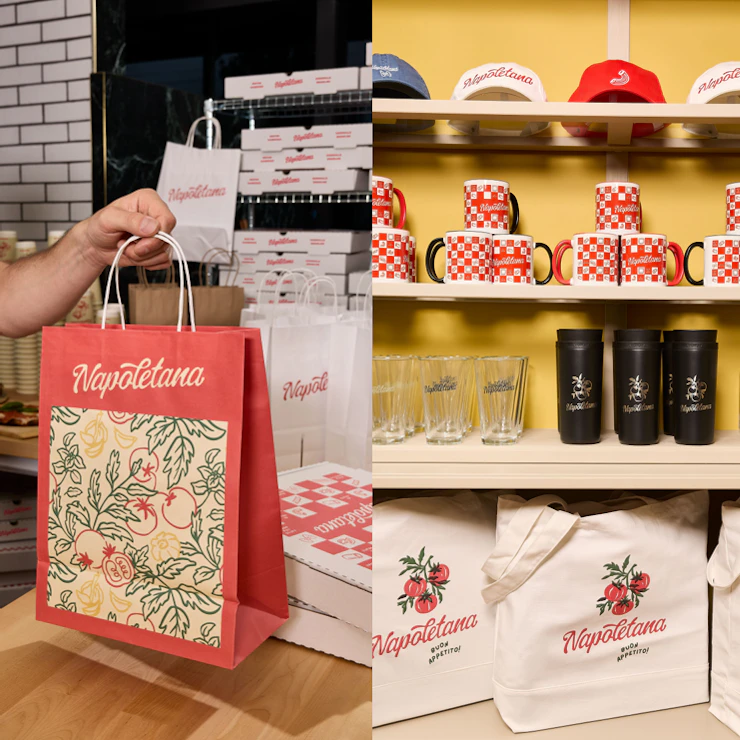
Gifts, such as a tote bag, keychain, or candy, can be a fun surprise for customers that drive feelings of reciprocity, or the desire for them to reward companies — with their loyalty or pocketbooks — in response, previous research shows.
Here are some tips for developing a customer gift-giving strategy.
Choose your customers.
New and existing customers reacted similarly in terms of loyalty and spending when they received a gift, the recent research showed. So it’s likely advantageous for small business owners to reward these groups equally. Gifts may inspire new customers to return, whereas it can deepen relationships with regular clients. A separate study found that customers often feel “lucky” when they receive a freebie.
Consider your budget.
Small business owners typically need to account for every penny. But you don’t need to spend a lot on customer gifts to see a reward. The recent study showed that items valued at 50 cents increased loyalty and spending. So whatever fits within your budget will likely have an impact.
Tie gifts to behavior.
Unconditional gifts not tied to a purchase or other customer behavior drive loyalty and spending. But that’s not the only effective gift-giving strategy. Offering gifts with a purchase or linked to loyalty programs are other strong tactics.
More than 76% of U.S. consumers say they spend more when they’re part of a loyalty program, and 73% see brands more favorably when they receive gifts or exclusive products as part of the program, according to a 2024 survey by Snappy.
CO— aims to bring you inspiration from leading respected experts. However, before making any business decision, you should consult a professional who can advise you based on your individual situation.
CO—is committed to helping you start, run and grow your small business. Learn more about the benefits of small business membership in the U.S. Chamber of Commerce, here.