
Why it matters:
- Sales of secondhand products are expected to grow at a compound annual rate of 17.2% annually and exceed $1 trillion by 2025.
- These companies are using cutting edge technology to do real-time pricing and solve shipping and inventory challenges.
- They are leveraging the surge in demand for secondhand and tariff-free options to drive sales.
KEH Camera, Chairish, and PayMore are three companies that found themselves this year with the right product at the right time to position themselves for significant growth.
All three sell secondhand items, and all have added new-age tech to create a first-mover advantage for their companies. They entered 2025 ready to capitalize on the skyrocketing demand for secondhand goods that is being driven by price and tariff concerns.
Sales of secondhand products are expected to grow at a compound annual rate of 17.2% annually and exceed $1 trillion by 2025, according to a report by Transparency Market Research.
Here are the strategies these companies shared with CO—:
KEH Camera: ‘We call this branded, technical re-commerce’ -Glenn Kaufman, Chairman of the Board
The owners of KEH Camera have figured out how to bring a 46-year-old company based on catalog sales into the e-commerce age.
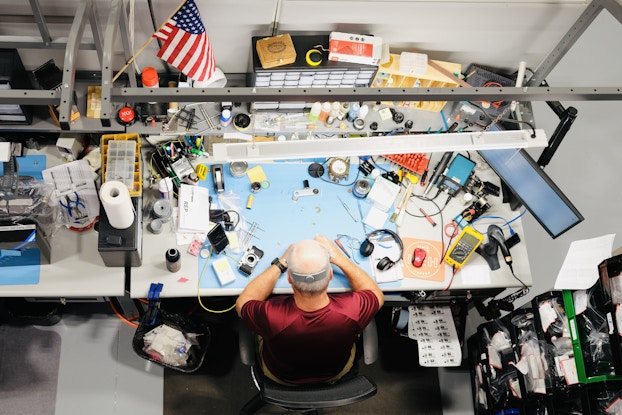
The Georgia-based company sells pre-owned, high-end cameras, lenses, and video equipment, with experienced technicians on staff who can inspect, certify, and warranty secondhand equipment.
KEH was acquired in 2013 by D Cubed Group, a New York–based firm that invests in profitable small and mid-sized businesses.
Glenn Kaufman, Managing Director of D Cubed and Chairman of the Board of KEH, said the investment firm saw an attractive opportunity to create a certified, pre-owned business model for technical products.
“It’s better for your wallet, it’s better for the environment, and it’s better than new,” Kaufman told CO—.
The company does over $100 million in sales annually and puts over 275,000 pieces of photo and video gear back into circulation each year.
[Read more: How 46-Year-Old Camera Reseller KEH Is Thriving in the New Age of Re-Commerce]
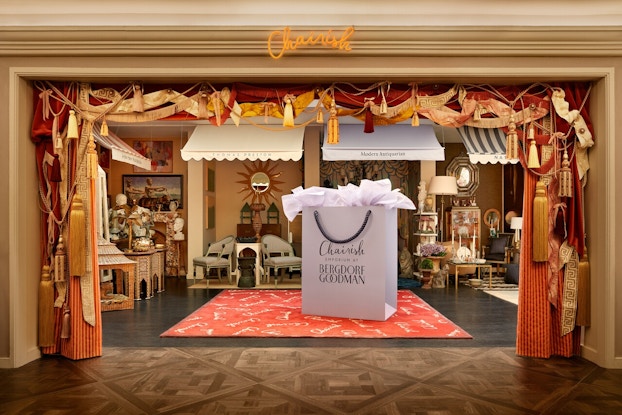
Chairish: ‘We’re trying to help the secondary market for home furnishings become more liquid’ -Gregg Brockway, Co-founder
Chairish was born when its founders decided there had to be a better way to sell and ship pre-owned furniture.
Since its launch in 2013, the business has sold more than one million items through its online marketplace. It has stayed profitable during an unusually tough housing market by using advanced tech to solve pricing and shipping challenges. Chairish created a tech platform that allows it to quickly calculate shipping costs and connect sellers with the right shipping option.
“Most people don’t know how to ship a piece of furniture across town, let alone across country or around the world, and that’s made it a really hard secondary market to bring to life,” Gregg Brockway, who founded Chairish with his wife Anna, told CO—.
Consumer support for sustainability and resale goods, concerns about price increases and tariffs, and the growing popularity of vintage furniture pieces are driving sales and customer engagement gains for the luxury secondhand furniture business.
“Tariffs are making vintage even more attractive,” Brockway said. “It’s ready to ship now so you don’t have to worry about supply chain challenges or long wait times for getting a piece from a manufacturer, and the value has always been good and it’s getting better.”
The $40.2 billion global market for secondhand furniture is expected to double over the next decade to $87.6 billion in 2034, according to research firm Market.US.
[Read more: How Vintage Furniture Marketplace Chairish Is Benefitting From Trends and Tariff-Free Goods]

PayMore: ‘We are completely powered by technology, data, and e-commerce’ -Stephen Preuss, Co-founder
Electronics resale chain PayMore has enjoyed explosive growth over the past two years thanks to a business model that combines the tradition of in-person secondhand selling with a next-generation e-commerce platform.
The company has grown its store count by 500% in two years, to 100 locations, with 460 new stores expected to open in the United States over the next five years.
“People are opening their eyes to new-age retail, which is what we consider ourselves,” Co-founder Stephen Preuss told CO—. “Even though we have these traditional brick-and-mortar locations, we are completely powered by technology, data, and e-commerce.”
The global market for secondhand electronics, valued at $222 billion in 2023, is forecast by research firm Global Market Insights to reach $322 billion by 2032.
At PayMore stores, consumers can trade in, or buy, used electronics quickly and easily.
Proprietary technology developed by PayMore gives store employees up-to-the-minute data on the resale value of used electronics.
[Read more: How PayMore Is Reinventing Electronics Resale With Its Tech-Based Franchise Model—and Winning]
Sales of secondhand products are expected to grow at a compound annual rate of 17.2% annually and exceed $1 trillion by 2025, according to a report by Transparency Market Research.
“We’ve sped up the transactions nearly 600% so we can get them in and get them out,” Co-founder Eric Helgesen told CO—.
Preuss and Helgesen originally owned a general merchandise secondhand store in a suburb of New York, and they saw the demand for a trusted place to sell used electronics.
“Our repeat customer rate is 10X the market average,” Preuss said.
The company has grown rapidly by selling franchise locations. The average PayMore store generates over $1 million in gross sales, according to the company.
CO— aims to bring you inspiration from leading respected experts. However, before making any business decision, you should consult a professional who can advise you based on your individual situation.
CO—is committed to helping you start, run and grow your small business. Learn more about the benefits of small business membership in the U.S. Chamber of Commerce, here.
Enroll today!
Sign up for Small Business B(AI)sics, our free AI training course, designed for small businesses like yours. Learn the basics of AI in just 30 minutes, plus get resources to help you apply AI skills at your business today.


