
 Neil Bradley
Executive Vice President, Chief Policy Officer, and Head of Strategic Advocacy, U.S. Chamber of Commerce
Published
July 31, 2025
Every two weeks, the Census Bureau surveys approximately 200,000 American businesses. Survey topics include questions around prices paid and prices charged.
Looking at recent survey results, a clear pattern is emerging:
- Manufacturers, wholesalers, and retailers increasingly report paying higher prices for the goods and services they buy; and
- They are slowly beginning to raise the prices they charge their customers.
This is consistent with how you would expect price increases caused by tariffs to move through the economy.
- With approximately 56% of U.S. imports composed of raw materials and intermediary and capital goods used by industry, some of the first effects of the cost of tariffs are felt by manufacturers.
- Wholesalers are similarly likely to see early price increases.
- Initially, companies try to absorb the cost increases through lower margins and reduction in other expenditures — particularly if they believe the price spike is temporary (as some tariffs have proven to be).
- Over time, however, the price increases are passed on to retailers, and ultimately to consumers. This is especially true when companies/business owners believe that higher tariff rates are more likely to remain in place over an extended period.
MORE ON TARIFFS:
Latest Tariffs Spell $200 Billion Annual Tax for Small Businesses
Tariffs Bring Massive New Taxes on Food, Apparel, Back-to-School Items
Helping Small Businesses Navigate Tariffs: Seeking Relief, FAQs
Prices Reported Paid by Business: September 2023 to July 2025

Prices Reported Charged by Business: September 2023 to July 2025

This table includes the results on the questions above from the most recent survey, which was concluded on July 13, 2025.
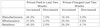
Small Businesses More Likely to Report Both Higher Prices Paid and Charged in the Last Two Weeks
Not surprisingly, smaller businesses are more likely than larger businesses to report that they have faced price increases in recent weeks and are also more likely to report that they have had to increase their own prices to customers.

More on Tariffs


About the author
Neil Bradley
Neil Bradley is executive vice president, chief policy officer, and head of strategic advocacy at the U.S. Chamber of Commerce. He has spent two decades working directly with congressional committee chairpersons and other high-ranking policymakers to achieve solutions.


